
Blackwork Tattoos in Park Slope, Brooklyn
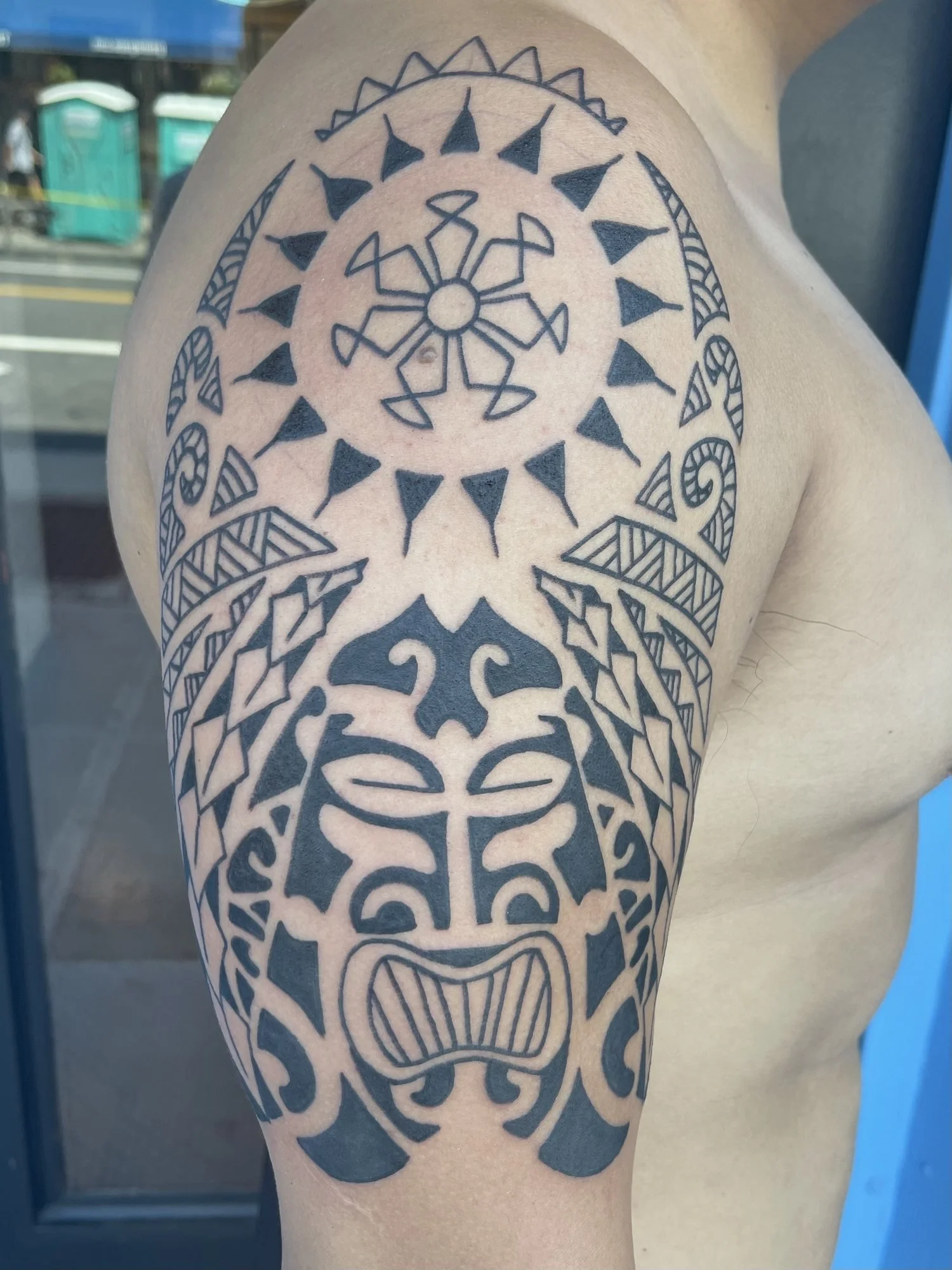
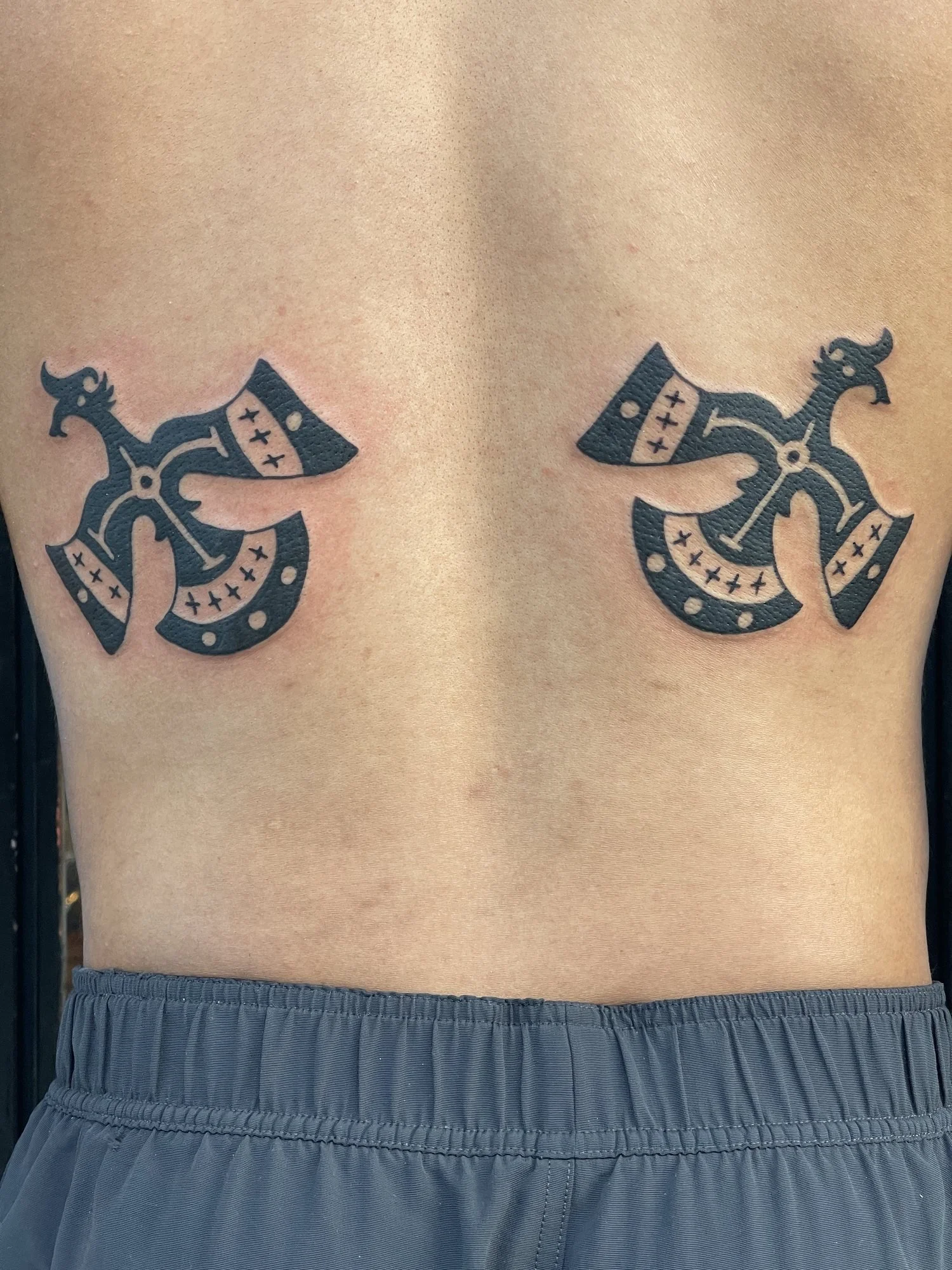
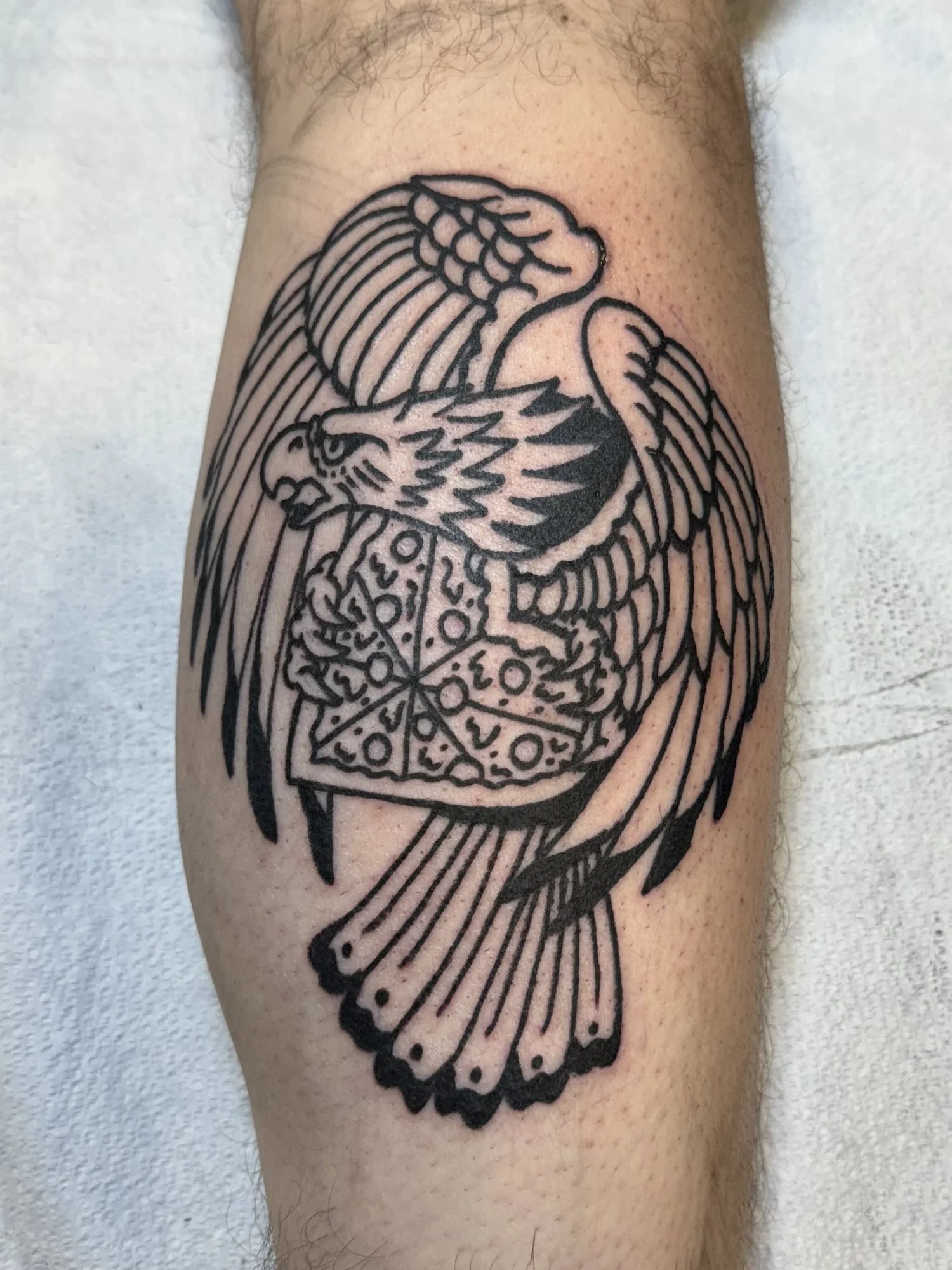
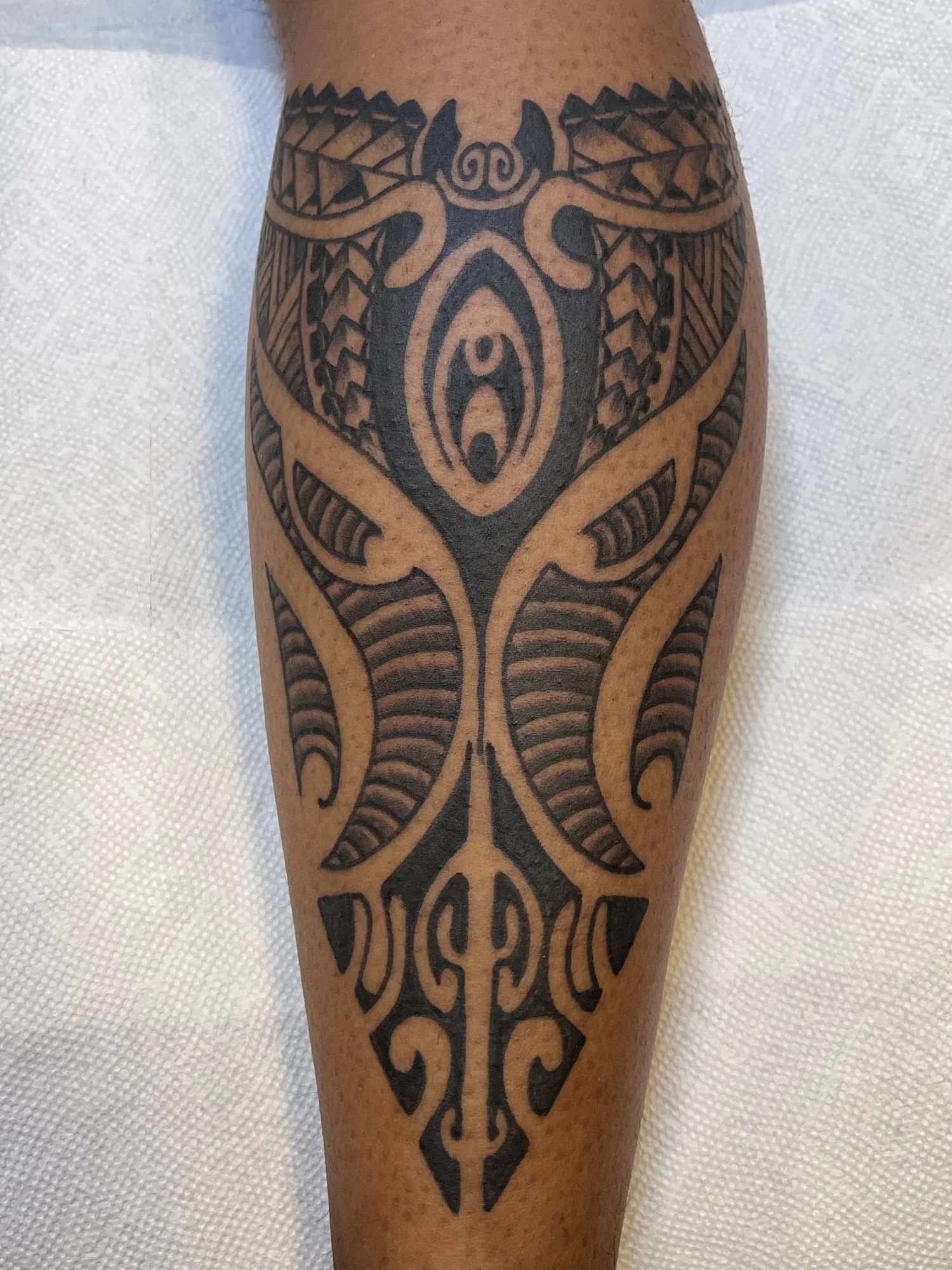
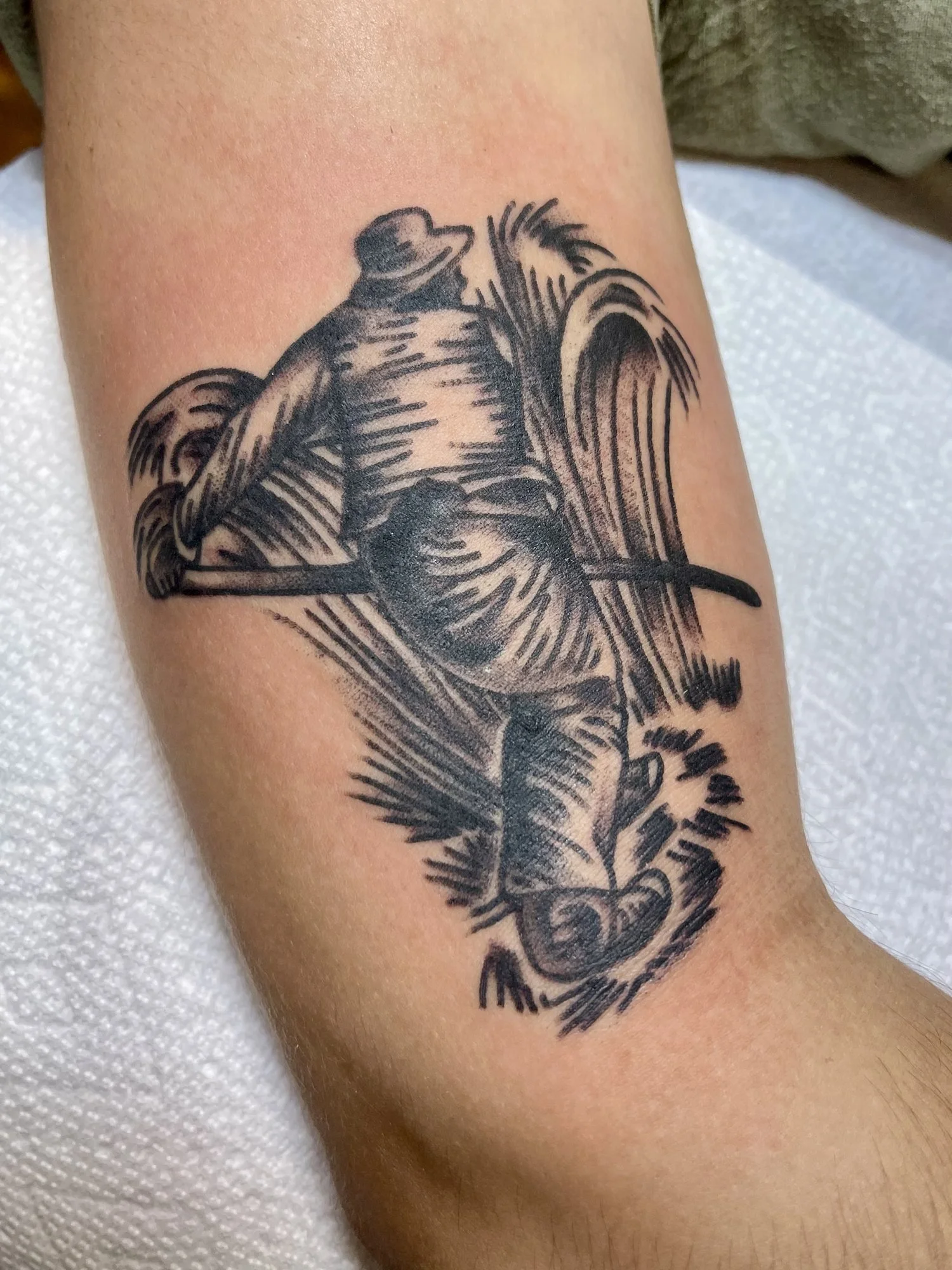
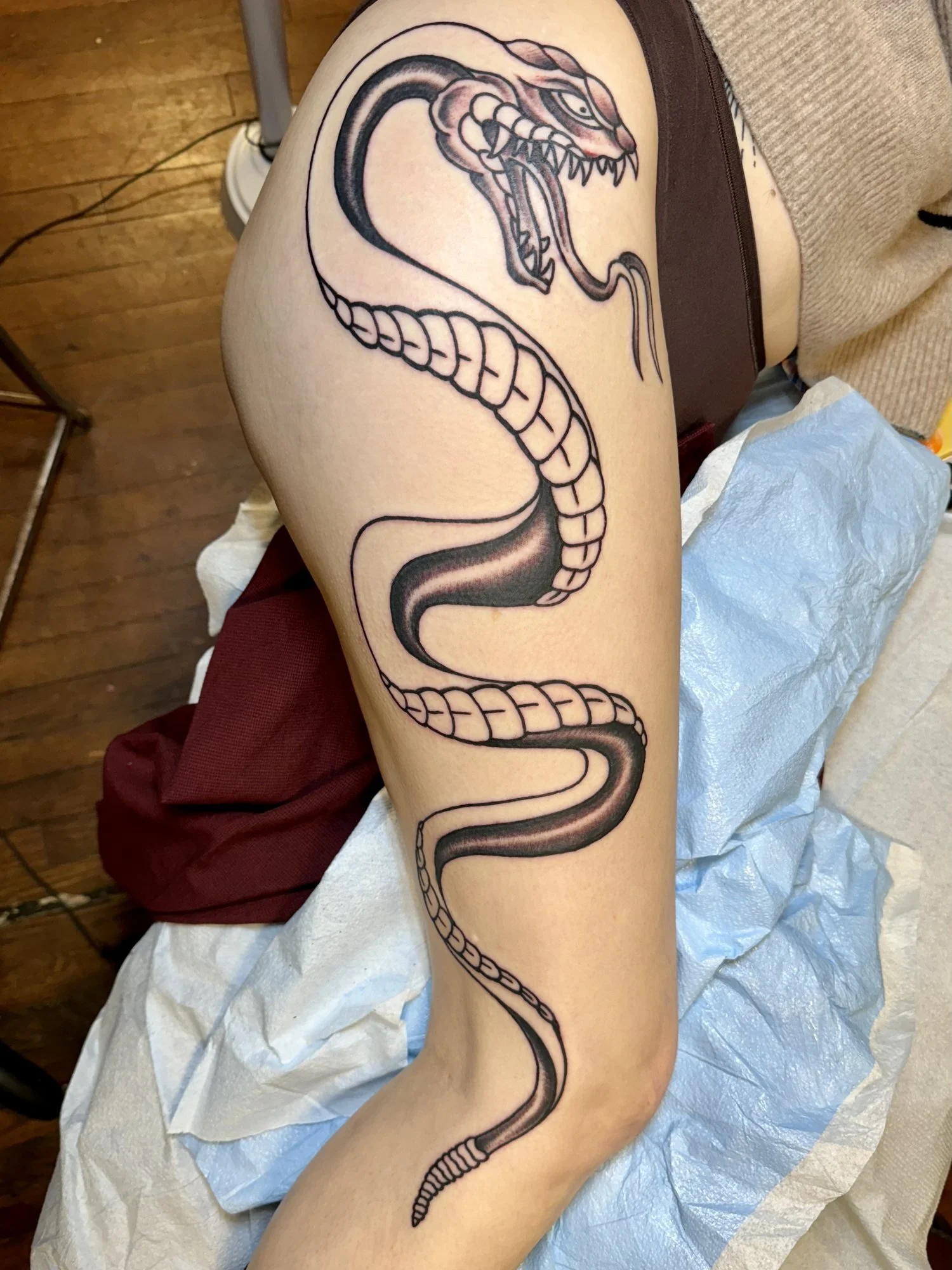

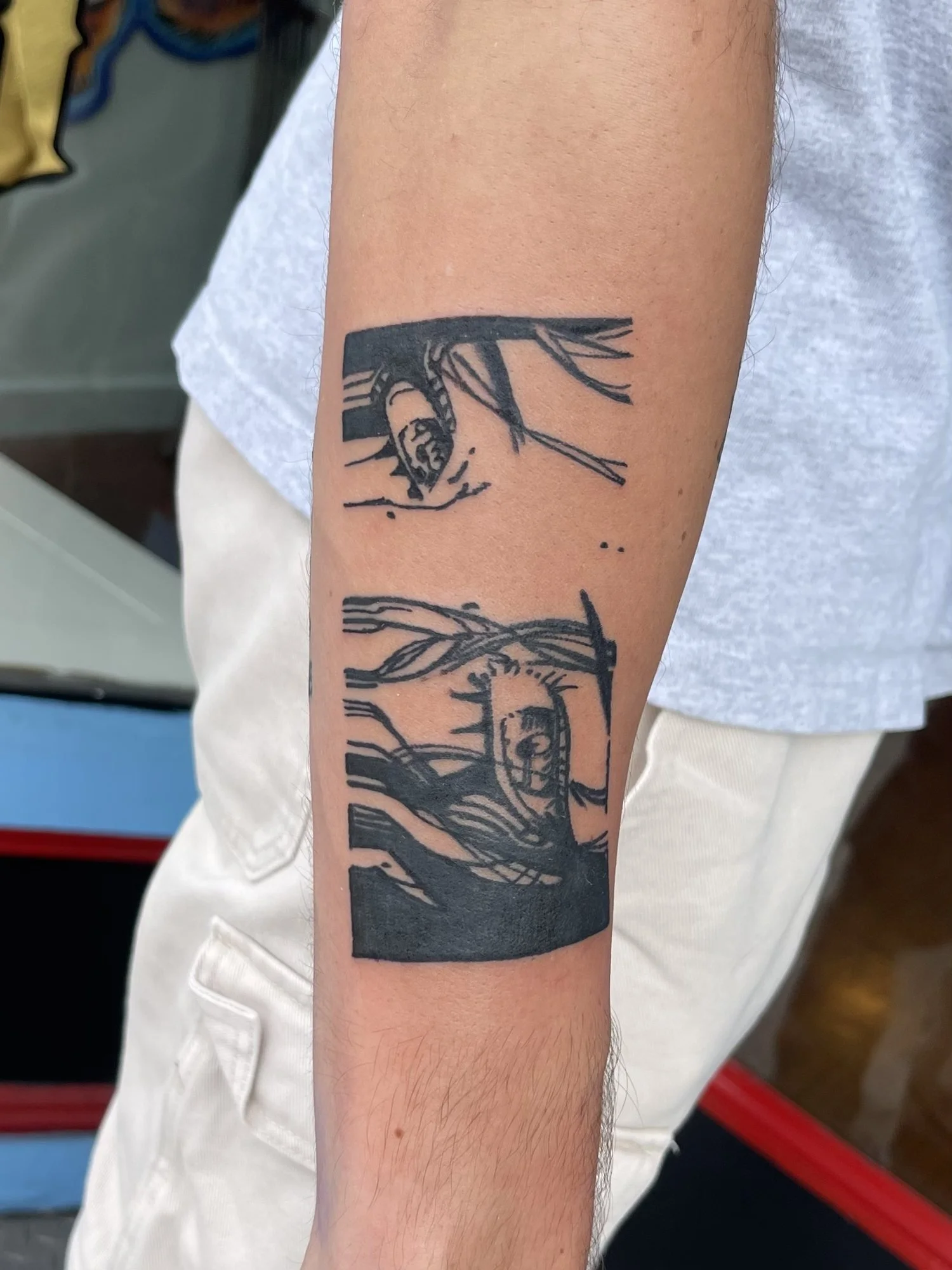
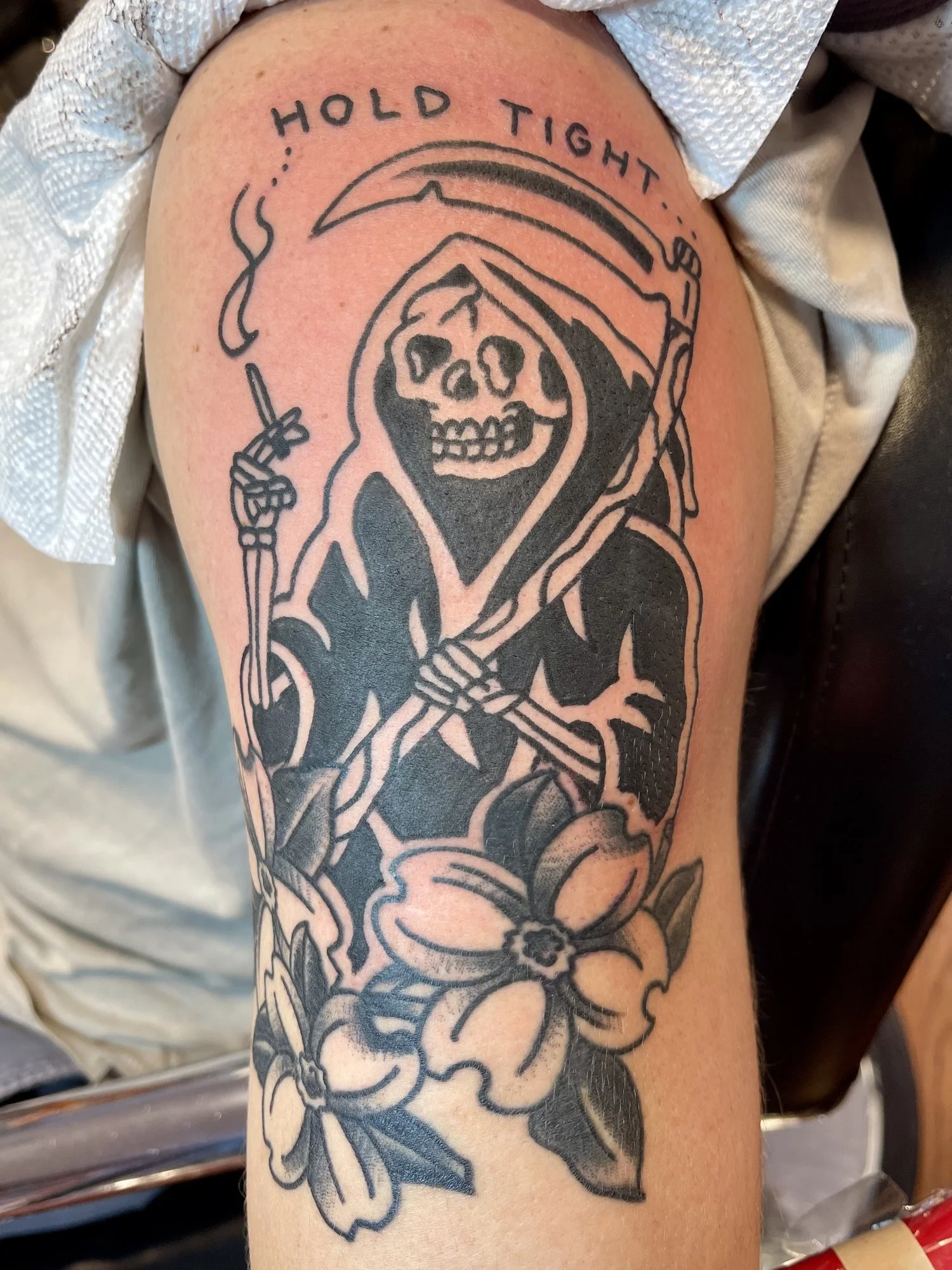
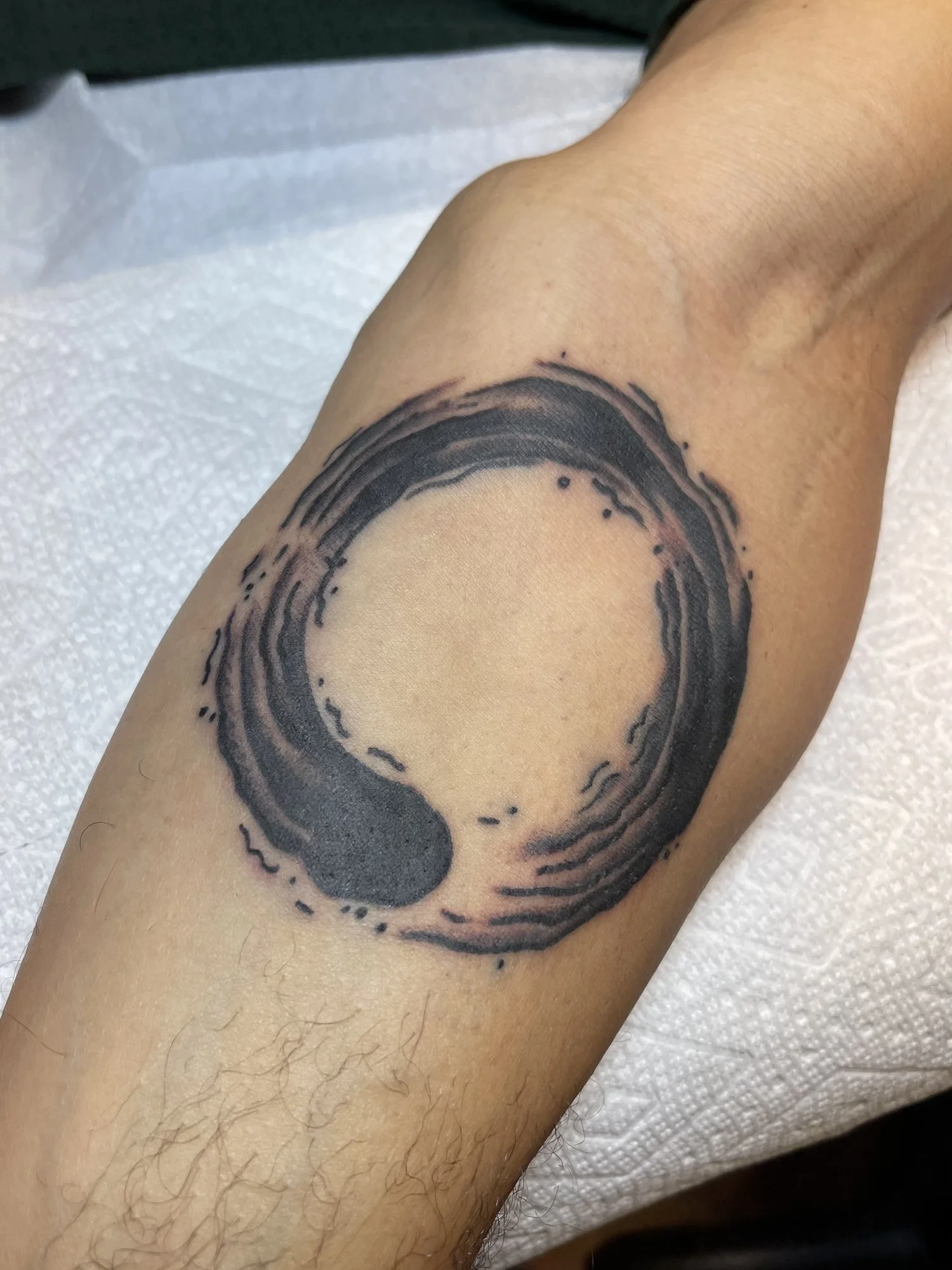
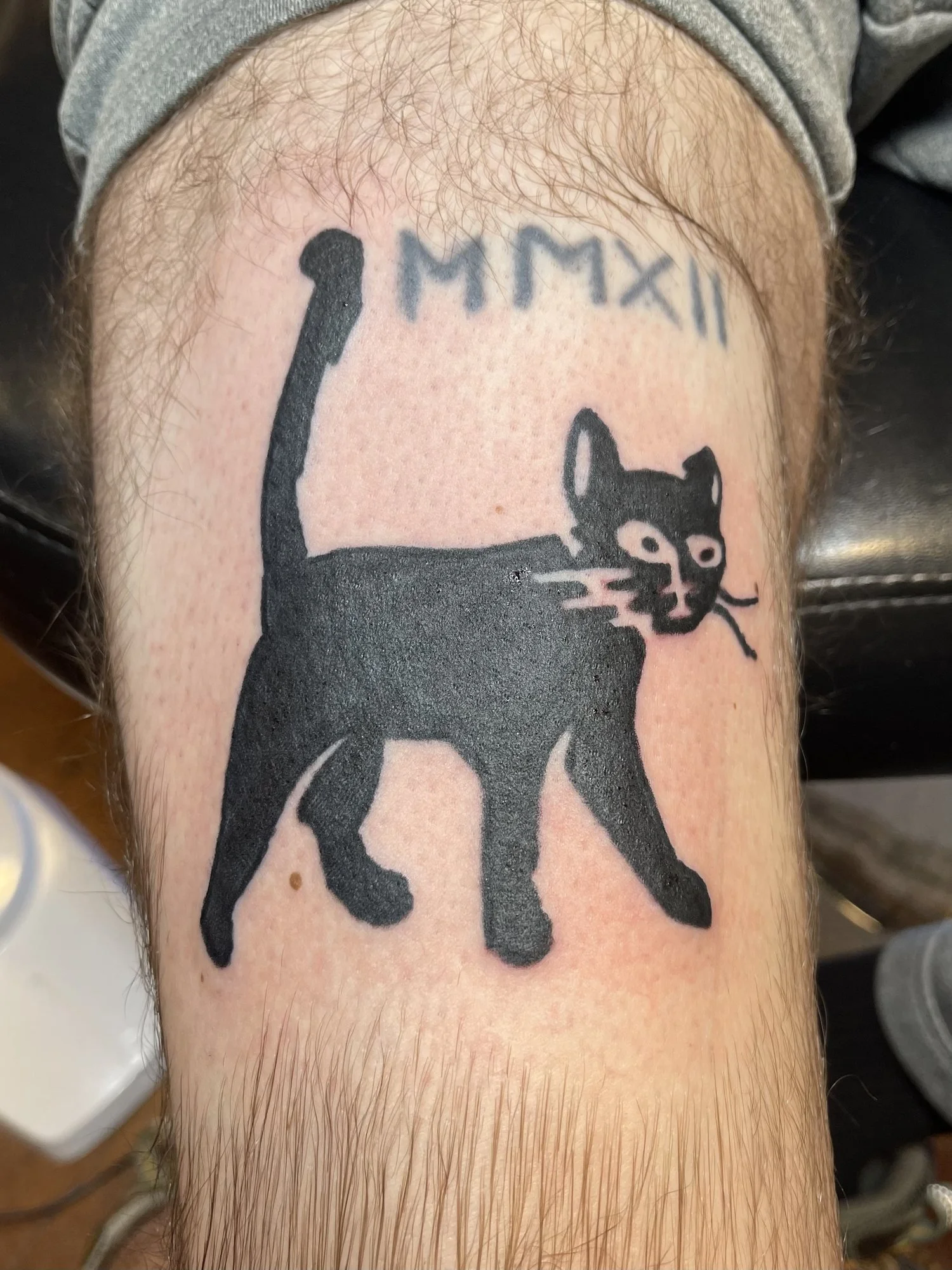
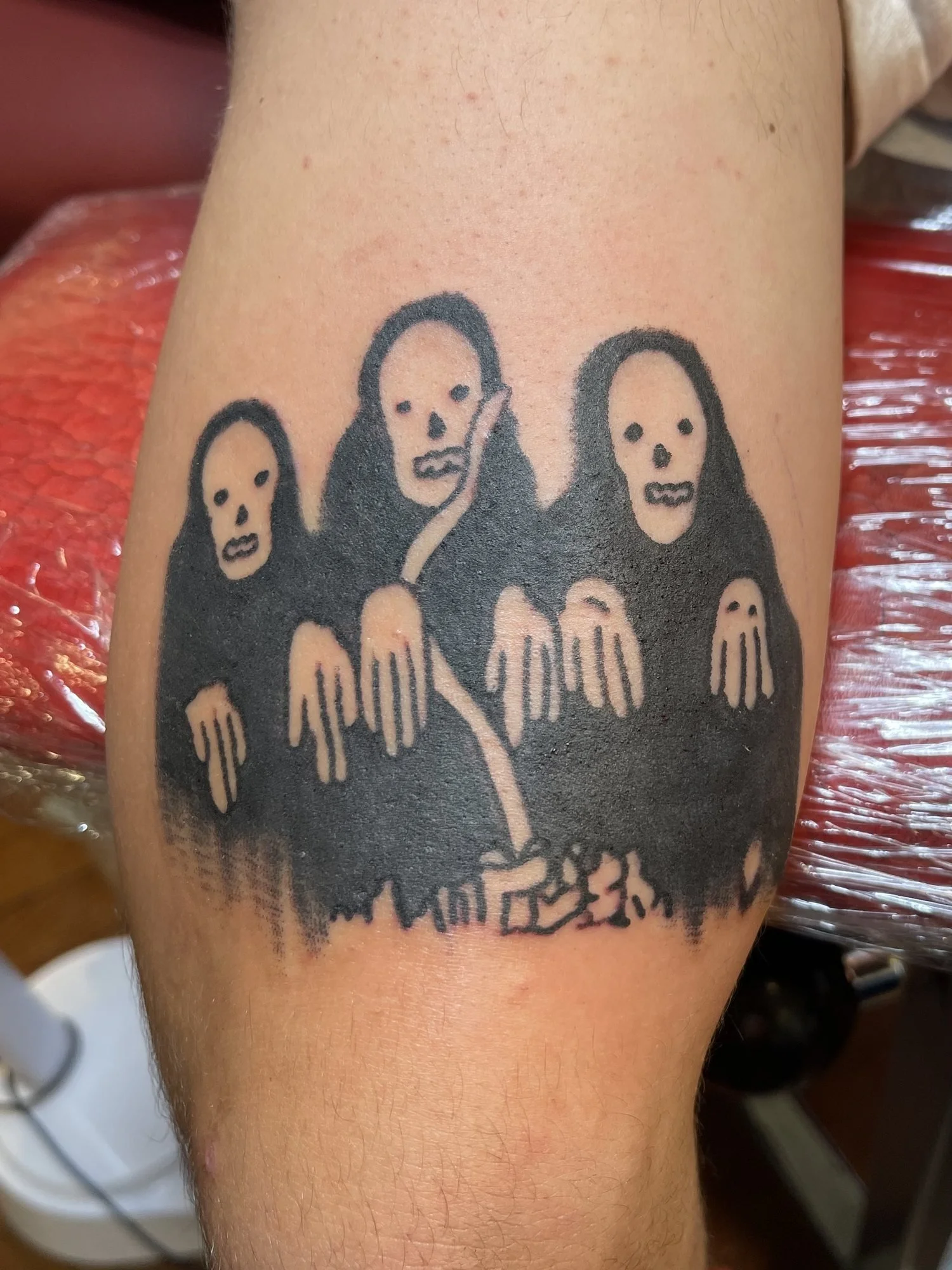


Blackwork is solid black used as the whole design. No color, no grey wash. Ornamental patterns, heavy silhouettes, woodcut linework, Polynesian and tribal work. Contrast carries the piece instead of shading.
It is also one of the oldest ways people have tattooed, and one of the most durable. A solid black shape holds its edge longer than most tattoos, because there is little in it that depends on fine detail.
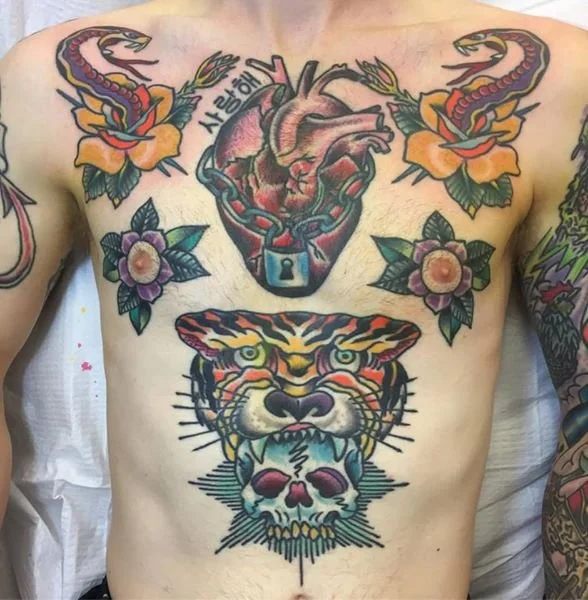
This is a different style from black and grey, which uses diluted ink for shading and depth. If you want a smoky portrait or a realistic piece, that is our black and grey work. If you want shapes that read from across the street, you are in the right place.
What Makes a Great Blackwork Tattoo
Clean edges and even fill. A blackwork piece is judged on whether the black is solid and the boundary is crisp. Packing black properly is slow work and a steady hand, and it is the reason a good blackwork piece looks the same in ten years.
Composition matters as much as execution. Large areas of black need space around them to read as a shape, so the skin left bare is part of the design. Our artists lay the whole thing out on your body before anything starts.
What to expect
Consultation. Bring the idea in or send it through the appointments page. For ornamental and Polynesian work your artist will want to see the whole area, so a photo of the arm or the leg helps.
The session. Blackwork takes longer than people expect. Packing solid black is slow, and large pieces come in stages. A sleeve or a chest panel is booked as a series.
Healing. Solid black areas are more work for your skin. Expect more swelling and a longer peel than a line piece, and follow the aftercare closely. Some pieces need a second pass to even the fill, and your artist will tell you at the session whether yours is likely to.
Pricing. The shop minimum is $150. Larger work is priced by the piece once your artist has seen the placement. A $100 to $200 deposit holds your appointment and comes off the final cost.
Frequently Asked Questions
Does blackwork hurt more? Packing solid black covers the same skin several times, so it is more of a grind than a line piece. Most people describe it as dull instead of sharp. Breaks are normal and we take them.
Can blackwork cover an old tattoo? Often, and it is one of the better tools for it. Solid black is the most reliable way to cover dark old work. Bring the tattoo in and your artist will tell you honestly whether it can be covered or whether removal comes first.
Will it fade to green or blue? Old tattoos went blue because of the inks used decades ago. Modern black ink stays black. It softens at the edges over many years, and a touch-up brings it back.
How does blackwork look on darker skin? It reads well, and it is one of the styles that holds best across skin tones, because it depends on the shape instead of fine detail. Your artist will size the negative space so the design stays clear.
Do you do Polynesian and tribal work? Yes, and there are examples in the gallery above. These patterns come from specific cultures and carry specific meanings, so we talk that through with you at the consultation before anything gets drawn.
Can I get blackwork over a scar? Sometimes. Scar tissue takes ink differently and needs to be fully healed first, usually a year or more. Come in and we will look at it.
Ready for blackwork? Come see us at 233 5th Avenue in Park Slope. Bring the idea and the placement, and we will lay it out on you before anything starts.